





Performance management for managers: the whole cycle, openly
Performance management for managers without the paywall: expectations, ongoing feedback, reviews, development, and underperformance — the full working cycle.
Performance management for managers has a strange information problem: the deepest guidance sits behind professional-body paywalls, while the open web offers HR-system vendor content written for administrators. The manager actually holding the 1
gets neither. This page is the open, working version — the full cycle as a manager runs it, from expectations through underperformance — built on one reframe that changes everything downstream: performance management isn’t the review form. It’s the continuous system that makes the form boring.Set expectations at the right level
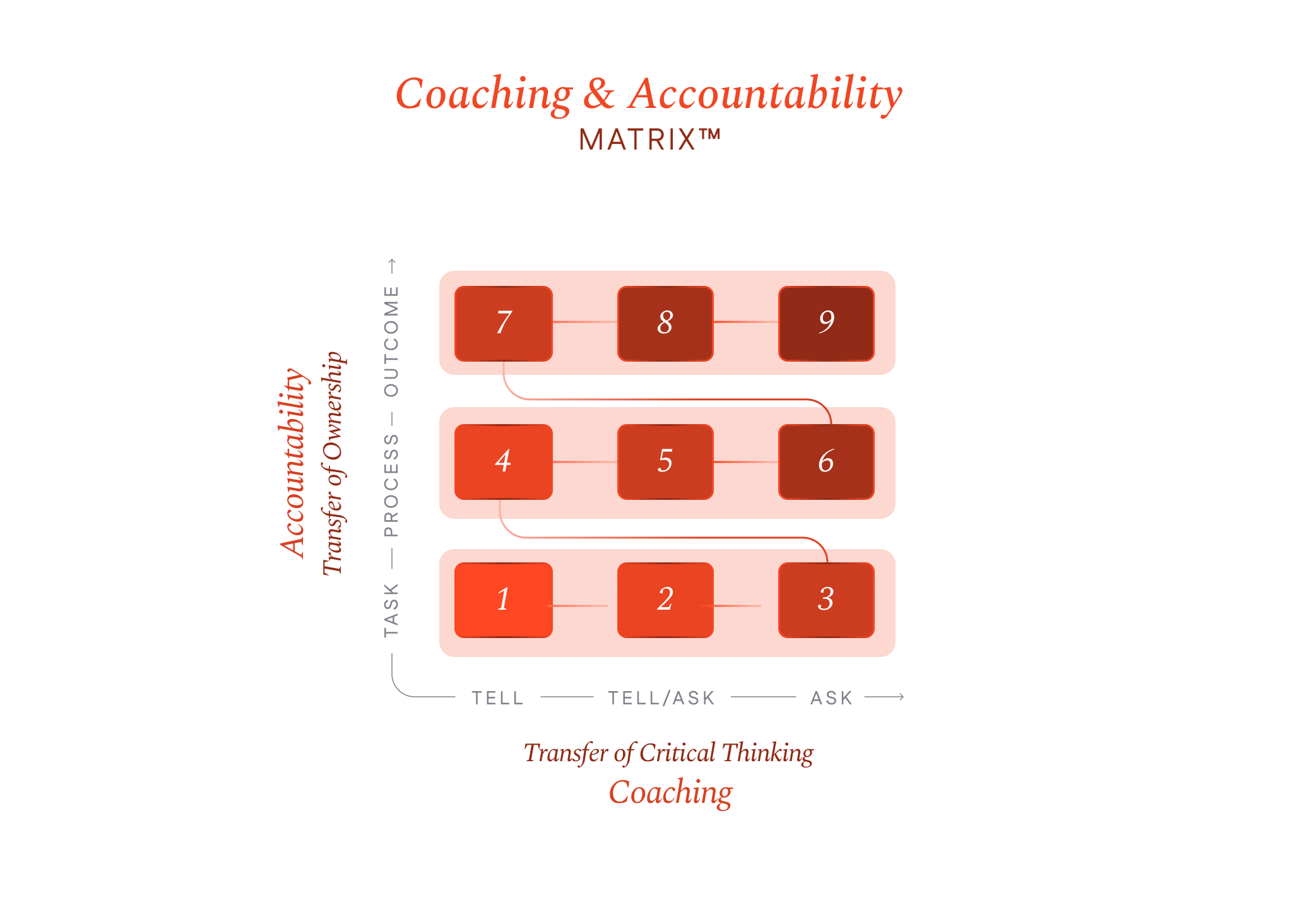
Performance problems trace, more often than any other source, to expectations that were never explicit — or were pitched at the wrong altitude. The mechanics: for each person, per major responsibility, agree what’s owned and at what level — a task (do the defined thing), a process (own how it gets done), or an outcome (own the result, choose the how). The accountability ladder matters because both mismatches read as performance problems and aren’t: the capable person held at task level “underperforms” by disengaging; the developing person handed an outcome “underperforms” by drowning. Write the expectations down, revisit them quarterly, and half of your future difficult conversations dissolve before they form.
Feedback continuously; review without surprises
The working rule that separates functional performance management from the annual ambush: nothing in a review should be news. That’s achievable only through continuous feedback — the small, specific, behavior-impact-guidance units delivered weekly, close to the work, praise and correction both. The formal review then does its honest jobs: pattern recognition across the period, calibration, documentation, forward agreement. Managers dreading review season are usually paying accumulated feedback debt — every unsaid Tuesday correction, due at once, with interest.
The delivery system for all of it is the 1
, run as development rather than status: what’s in your way, what did this week teach, where do you want stretch — the questions that make performance conversations continuous instead of episodic. And underneath the whole cycle sits a condition managers control more than they know: people surface their own struggles, misses, and development needs only where doing so is safe. A manager who punishes the early admission gets the late surprise, every time, and then calls it a performance problem.Develop as the default; document as the discipline
Most of performance management, most weeks, is development: converting expectations and feedback into growth through real coaching — asking before telling, delegating for stretch, raising the accountability level as it’s earned. The managers who do this well stop experiencing performance management as enforcement; it becomes the ownership-transfer discipline run on a cadence, with enforcement as the rare exception rather than the theme.
The discipline that protects everyone when the exception arrives: contemporaneous, factual documentation — expectations set, feedback given, support offered, dates. Not as ammunition; as fairness. Undocumented performance management converts every serious situation into memory versus memory.
Underperformance, handled early and fairly
The honest sequence when performance genuinely lags: Name it early and behaviorally — “the last three deliverables missed their dates by a week-plus” opens a fixable conversation; “you need to step it up” opens nothing. Most chronic underperformance was early underperformance nobody named while it was cheap. Diagnose before prescribing: wrong accountability level? Missing skill (coach it)? Broken process feeding them bad inputs? Something outside work? Will? Each has a different fix, and deflection patterns in the conversation are themselves diagnostic. Support genuinely, with a timeline — specific gap, specific support, specific checkpoint. And escalate formally only as the honest last step, with HR, documentation, and no surprises — the person who arrives at a formal process should have seen every station on the way.
It’s a Thursday in June at a distribution company in Fresno, and a first-year operations manager is in her HR partner’s office asking to start a termination — her senior scheduler’s performance has “collapsed.” The partner asks four questions: When did you first notice? (February.) When did you first name it to him, specifically? (Silence.) What level of ownership does he think he has over the new routing process? (Unknown.) What’s documented? (Nothing.) The termination request becomes, instead, the manager’s own crash course in the cycle she’d skipped: an expectations reset that surfaces a genuine mismatch — he’d been handed outcome-level ownership of a process he was never trained on — eight weeks of real coaching, and a checkpoint. He recovers fully. What she tells the next new manager: “I almost fired someone for a conversation I never had.”
Run the audit on your own directs this week: does each one know, in writing, what they own and at what level — and would your last month of feedback survive the nothing-in-the-review-is-news test? The gaps you find are the system to build, and it’s mostly coaching, scheduled.
Frequently asked questions
- What is performance management for managers?
- The manager's ongoing system for producing performance: setting explicit expectations at the right accountability level, feedback continuously rather than annually, honest reviews without surprises, development that transfers ownership, and early, fair handling of underperformance. A cycle run weekly, not an HR form filed yearly.
- How often should managers give performance feedback?
- Continuously, in small units: specific behavior-impact feedback weekly or better, so the annual review contains nothing new. The formal cadence exists for documentation and calibration; the development happens in the two-minute conversations close to the work, which is where feedback actually changes behavior.
- How should managers handle underperformance?
- Early, specifically, and at the right level: name the gap in behavioral terms the person can act on, check whether the accountability level matches their capability, coach the fixable, and escalate formally only with documentation and fair warning. Most chronic underperformance was once early underperformance nobody named.
- What is the difference between performance management and performance reviews?
- The review is one artifact inside the larger system. Performance management is the continuous cycle — expectations, feedback, development, course correction — and organizations that run only the review get its worst version: annual surprise, backward-looking judgment, and development postponed to a form.